We Stopped Guessing on Wire Rod
Rod is half to two-thirds of the cost of a box of nails. Since 2018 we buy to plan, price off a published index and keep a spare mill qualified.
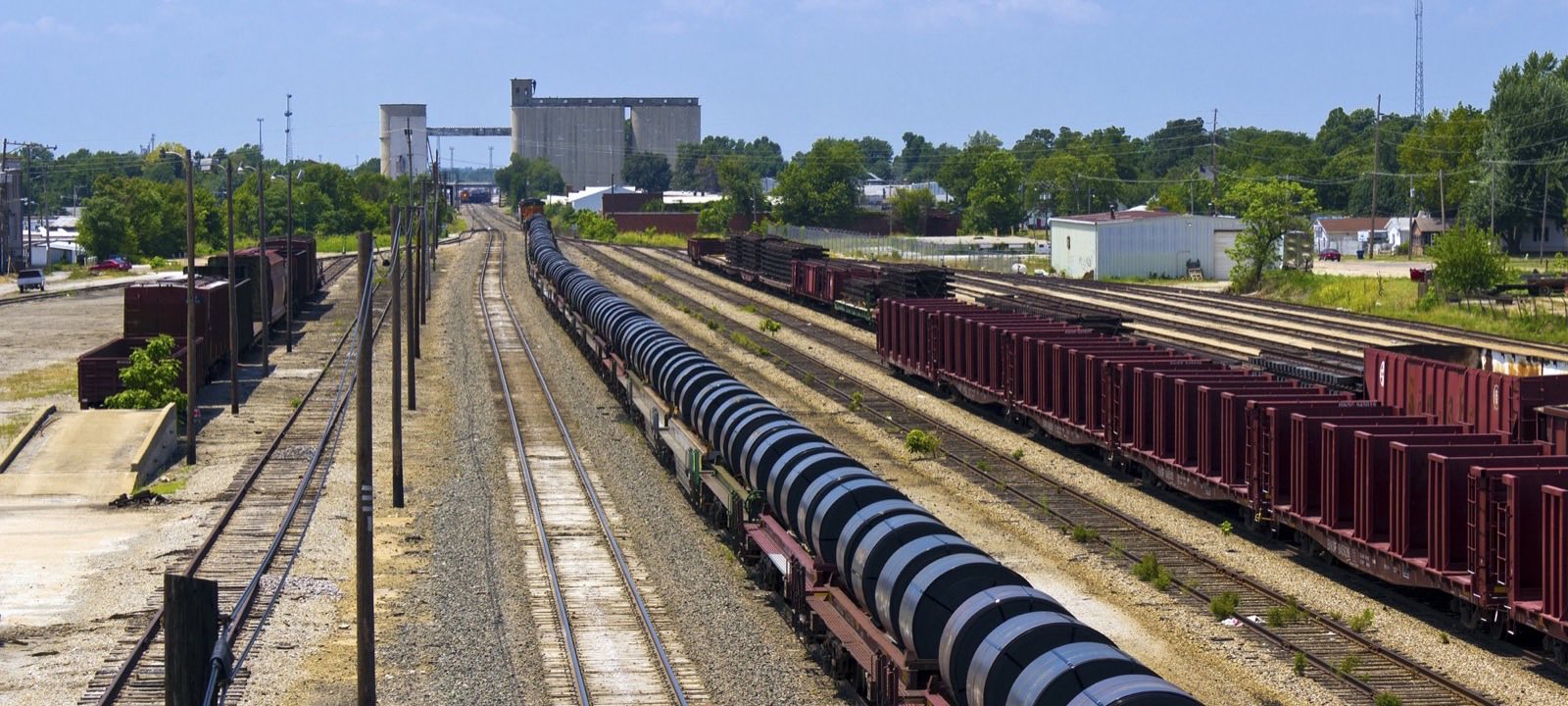
A nail company is a steel company with a narrow product line. Low-carbon wire rod is the biggest cost in nearly everything we make, somewhere between half and two-thirds of what it costs to put a box of nails on a distributor’s truck. When rod moves, our costs move with it.
I’ve bought steel in some form since 2008, coated coil at Pellston for six years and rod at Cordell since 2014. I have watched rod fall by a third in one year and nearly double in eighteen months. I have also watched it jump on a tariff headline before anyone had read the details. Most of what follows I learned by getting it wrong first.
Buy for what you’ll make
Every purchasing manager has a story about the time they bought ahead and got it right. They tell the other story less often, and in my experience the other story is more expensive.
In early 2018, while the Section 232 steel tariffs were being debated, a lot of companies in our business loaded up on rod. Some came out ahead for a few months. Some were still sitting on high-cost inventory when the market turned, and had to choose between losing money on every box or raising prices on customers who could see the market falling. I had just become COO. I was tempted. We didn’t do it.
The rule now: we buy rod to cover planned production plus a fixed number of days of safety stock, and nobody changes that number because of a hunch. If Cordell ever takes a position on steel prices, the board will decide it on purpose. It won’t happen one purchase order at a time.
An index, in writing
For most of Cordell’s history, distributor prices changed when somebody in sales decided it was time. That was workable when steel moved slowly. It stopped being workable when rod could go up a hundred dollars a ton in a month.
In 2018 we split our price into two parts. The base price for each item stays put. A separate rod adjustment moves with a published wire rod index, calculated the same way every month. Customers get thirty days’ notice of each change and can check our arithmetic.
The adjustment runs in both directions. When rod comes down, it comes down on the same schedule, and nobody has to call and ask. The first time that happened, two distributors phoned to ask whether we’d made a billing error. I took that as a comment on how price decreases usually go in our industry.
2021
Construction came back hard in 2021. Rod mills put their customers on allocation, and some grades roughly doubled from where they’d been eighteen months earlier. For a few months we spent more time finding rod than negotiating its price.
Anyone making nails that year could have sold every box to whoever paid the most. Some did. We put our customers on allocation based on what they had bought from us over the previous two years and held to it. That meant turning down a new account with a very large order, and the meeting where we decided that was not a quiet one. Five years later, it is still the decision distributors bring up most when they tell me why they buy from us.
Two mills and a spare
Rod quality shows up downstream. Carbon content, inclusions, surface condition and scale turn into wire breaks, die wear and header trouble a few days later. So it’s tempting to stay with one mill you trust.
One mill is also one point of failure. In 2019 our main supplier had an unplanned outage and we spent six weeks scrambling. Now we buy from two domestic mills and keep an import source qualified and tested, even in years we barely use it. Qualifying a new rod source takes months of trials. The middle of a shortage is a bad time to start.
Tariffs
I support enforcing trade law when foreign producers sell below cost. Our industry has had dumped imports more than once, and the cases brought against them were justified. Tariffs on imported rod also raise our costs, though, and finished nails coming in from overseas don’t always carry the same burden. Protect the steel mill and leave the nail plant down the road exposed, and you have moved the problem one step down the supply chain.
Tariff policy has changed several times in the last few years, sometimes twice in a season. We don’t try to predict it. We model a handful of scenarios, make sure the price mechanism can carry any of them and tell customers as soon as something changes.
Our rod buyer has a sign over her desk that says “We are not a hedge fund.” I didn’t put it there, but I’ve never asked her to take it down. The companies I’ve seen last in this business keep their customers’ trust through the years they guess wrong, and they do that by guessing as little as possible.