Lean Starts at the Header
Our first lean program died in a binder in 1994. At Cordell it started with a stopwatch at the nail machines and a fifteen-minute meeting at the start of each shift.
The first lean program I ever saw died in a three-ring binder. It was 1994. I was a year out of school, working as a process engineer at a wire and cold-heading plant in Rockford, and corporate had hired a consultant to teach us the Toyota Production System. We spent two days in a hotel conference room drawing value-stream maps on butcher paper. We came back with a binder, a set of laminated posters and a new word for waste. Six months later the posters were still up. Nothing on the floor had changed.
I have seen some version of that at almost every company I’ve worked for. Twice I was the one handing out the binders. The ideas in the binder were fine. The trouble was that the program belonged to the people in the conference room, and the people who ran the machines had been invited to watch.
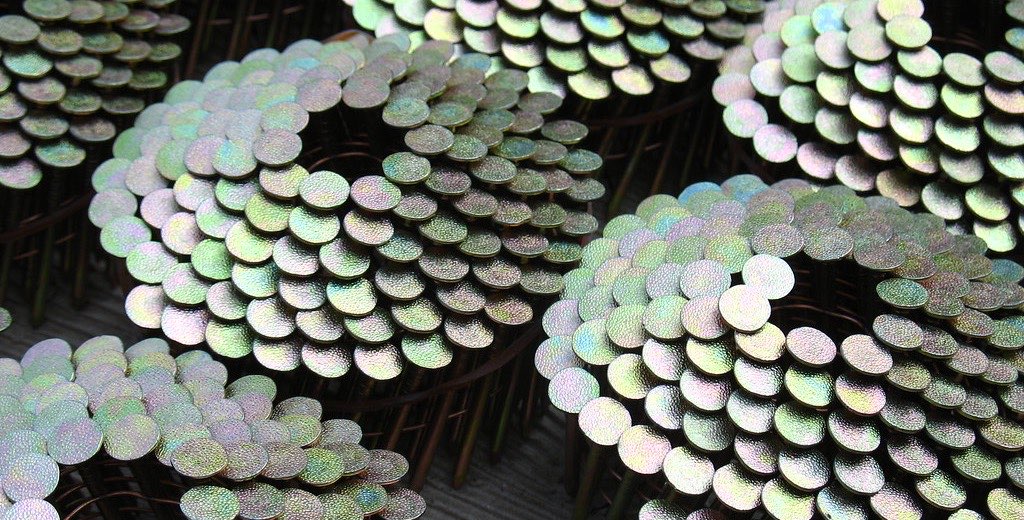
At Cordell, we make nails. The heart of the process is the header. It grips a strand of drawn wire, forms the head with one blow, cuts the point and kicks the finished nail into a pan, several hundred times a minute. A header that’s set up right is one of the best things in manufacturing to stand next to. A header that isn’t makes scrap at the same speed.
When I came to Cordell in 2014 as vice president of operations, I left the binder idea alone and bought a stopwatch.
Changeovers
Every nail we make is some combination of wire diameter, length, head, point and finish. One header might run a dozen different items in a week. Each switch, say from a 16d sinker to an 8d common, means new dies, punches and cutters, then adjusting and testing until the parts gauge good.
The first time we timed changeovers in Danville, the average was a little over ninety minutes. The fastest operator took forty. The slowest took most of a shift. Nobody had written down how the fast one did it, because nobody had asked him.
So we asked. We filmed changeovers, with the operators’ permission, and watched the video back with them in the room. The fast operator staged his tooling on a cart before the last run finished. He kept his own gauges at the machine instead of walking to the crib. He knew which adjustments he could make with the header still running. He had been doing it that way for eleven years and figured everybody else did too.
A year later, after shadow boards, tooling carts, a written sequence and a good deal of arguing, the average across both plants was under thirty minutes. It’s about twenty-two now. That gave us more capacity than four new headers would have, and it cost a few thousand dollars in carts. It also meant we could run small lots, so when a distributor needed three pallets of something odd by Friday, we could usually say yes.
Fifteen minutes at the start of each shift
The other thing we built is what everyone at Cordell calls Daily Basics. Each department starts each shift with a fifteen-minute meeting, standing, at a whiteboard on the floor. Four questions in the same order every time. Did anyone get hurt or nearly get hurt? Did we make what we said we’d make? If not, why not? What’s in the way today?
Anything a team can’t fix goes to the area meeting at 7:30. Anything the area can’t fix goes to the plant manager at 8:00. By 8:30 I have a short note from both plants. If something needs me, a capital decision or a customer call or a supplier who has stopped answering the phone, I usually know before my coffee is cold.
The meeting is dull on purpose. It took about four months before people started bringing problems instead of waiting to be asked. After two years the whiteboards were the best record we had of what actually goes wrong in the plant. The monthly reports had been telling a somewhat different story.
You can’t run a plant from a conference room. Most days you can barely run one from the front office.
Posters
I’ve toured plants with every lean tool on the wall: 5S scorecards, kaizen newsletters, andon lights, a war room with a hundred charts. Some were excellent plants. Some were putting on a show. I ask one operator one question: what did you change last month?
A blank look means the program lives in the office. “We moved the scrap hopper so I don’t have to walk around the conveyor” means you’re in a working lean plant, whatever is or isn’t on the walls.
We have plenty of charts at Cordell. The number I watch is how many small changes people make on their own, with no project number and no sign-off. Last year our two plants logged a little over 1,100. Most of them were tiny. Added up, they were worth more than any single project we ran.
For a new plant manager
- Time your changeovers before you buy any equipment. The capacity you need may already be on the floor.
- Write down what your best operators already do. Most of them have been waiting years for someone to ask.
- Hold the meeting at the machine, at the same time, every day, including the days it feels pointless.
- Fix what people report within a week, or tell them why you can’t. A suggestion that disappears costs you the next ten.
And don’t let improvement turn into layoffs. When better methods or automation free up hours at Cordell, those people go to maintenance, quality or the new lines. Our maintenance apprenticeship exists partly for that reason. Operators will show you where the waste is when they know finding it won’t cost them their paycheck, and not before.
I wish I’d kept that binder from 1994. Understanding lean took two days in a hotel. Doing it takes a whiteboard at 6:45 every morning, and we’re twelve years in.